
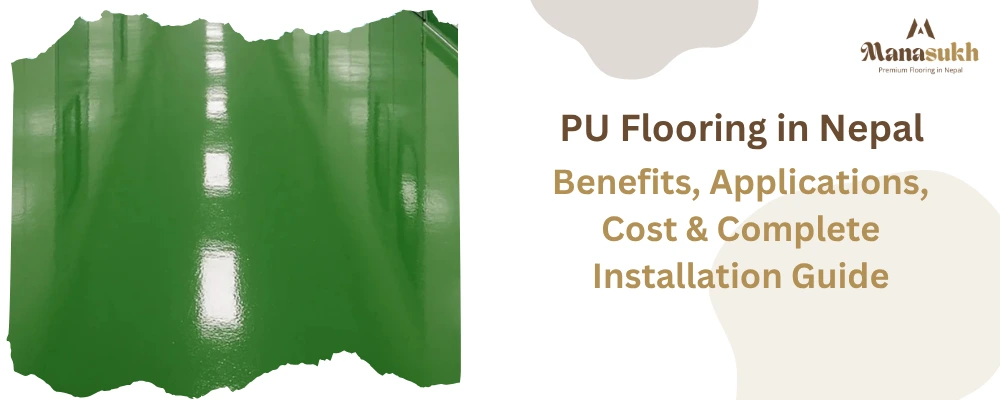
As industries in Nepal continue to modernize their facilities, the demand for durable, hygienic, and long-lasting flooring systems has increased significantly. PU flooring, also known as polyurethane flooring, has become one of the most preferred flooring solutions for food processing facilities, pharmaceutical plants, manufacturing units, warehouses, commercial kitchens, and healthcare environments.
Unlike traditional concrete floors, PU flooring creates a seamless and protective surface that can withstand heavy traffic, moisture, chemicals, and temperature fluctuations. Its flexibility, durability, and ease of maintenance make it a practical investment for businesses looking for a long-term flooring solution.
This guide explains everything you need to know about PU flooring in Nepal, including its benefits, applications, installation process, maintenance requirements, pricing factors, and how it compares with epoxy flooring.
What is PU Flooring?
PU flooring, or polyurethane flooring, is a resin-based flooring system designed for industrial and commercial environments where durability, hygiene, and performance are essential.
The flooring system forms a seamless surface that resists chemicals, abrasion, moisture, and thermal shock. Because of its flexible composition, PU flooring can handle minor substrate movement better than many conventional flooring systems.
Modern PU flooring systems are commonly used in industries that require hygienic and easy-to-clean flooring surfaces while maintaining long-term durability.
Why PU Flooring is Becoming Popular in Nepal
Nepal’s industrial sector includes food processing plants, beverage facilities, pharmaceutical industries, dairy plants, hospitals, warehouses, and manufacturing units. These environments often expose floors to moisture, chemicals, equipment movement, and heavy foot traffic.
PU flooring addresses these challenges by providing:
- Seamless flooring surface
- Excellent durability
- Chemical resistance
- Moisture resistance
- Easy maintenance
- Slip-resistant options
- Long service life
- Hygienic flooring performance
These characteristics make polyurethane flooring suitable for Nepal’s growing industrial and commercial sectors.
Key Benefits of PU Flooring
1. Flexible Flooring System
One of the biggest advantages of PU flooring is its flexibility. Unlike rigid flooring systems, polyurethane flooring can accommodate minor substrate movement and thermal expansion more effectively.
This helps reduce the risk of cracks and surface failures in demanding industrial environments.
2. Matt-Finish Appearance
Many businesses prefer PU flooring because it offers a professional matt finish rather than a highly reflective surface.
The matt appearance helps maintain a clean and modern industrial look while reducing visible wear patterns over time.
3. Antimicrobial Properties
Certain PU flooring systems include antimicrobial characteristics that help support hygienic environments.
This feature is particularly valuable for:
- Food processing facilities
- Commercial kitchens
- Pharmaceutical industries
- Healthcare facilities
- Dairy processing plants
4. Excellent Chemical Resistance
Industrial floors are often exposed to cleaning chemicals, oils, and various process materials.
PU flooring provides strong resistance against many chemical exposures, helping protect the underlying concrete substrate.
5. Thermal Shock Resistance
Polyurethane flooring performs well in environments where hot and cold temperatures frequently change.
This makes it suitable for:
- Food factories
- Cold storage areas
- Commercial kitchens
- Processing facilities
6. Easy Maintenance
The seamless nature of PU flooring prevents dirt accumulation in joints and cracks, making cleaning more efficient.
Regular cleaning and periodic inspections can help maintain performance for many years.
Common Applications of PU Flooring in Nepal
PU flooring is commonly installed in:
Food Processing Plants
Food manufacturing facilities require hygienic and durable flooring systems that can withstand regular cleaning and washdowns.
Dairy Industries
Dairy processing environments often involve moisture, temperature fluctuations, and frequent sanitation procedures.
Pharmaceutical Facilities
Pharmaceutical production requires clean and easy-to-maintain flooring systems.
Commercial Kitchens
Commercial kitchens benefit from PU flooring’s durability, hygiene, and slip-resistant characteristics.
Warehouses
Heavy equipment movement and daily operations require flooring capable of handling continuous traffic.
Manufacturing Industries
Factories often select PU flooring due to its strength and long-term durability.
Hospitals and Healthcare Facilities
Healthcare environments benefit from seamless flooring systems that are easier to maintain.
PU Flooring vs Epoxy Flooring
Many facility owners compare PU flooring with epoxy flooring before making a decision.
| Feature | PU Flooring | Epoxy Flooring |
|---|---|---|
| Flexibility | High | Moderate |
| Thermal Shock Resistance | Excellent | Moderate |
| Chemical Resistance | Excellent | Good |
| Durability | Excellent | Good |
| UV Stability | Better | Moderate |
| Industrial Suitability | High | High |
| Surface Comfort | Better | Moderate |
Which is Better?
The choice depends on the intended application.
For facilities exposed to temperature fluctuations, heavy-duty operations, and demanding hygiene requirements, PU flooring is often preferred due to its flexibility and thermal resistance.
For general industrial and commercial environments, epoxy flooring may also provide a practical solution depending on project requirements.
Concrete Requirements Before Installing PU Flooring
A strong flooring system starts with a strong substrate.
For most PU flooring installations, an M20-grade concrete floor is recommended as the base substrate.
The concrete should be:
- Structurally sound
- Properly cured
- Free from contamination
- Free from major cracks
- Properly levelled
The quality of the substrate directly affects the performance and longevity of the flooring system.
Recommended PU Flooring Specification
For many industrial and commercial projects in Nepal, a 4 mm PU flooring system is commonly selected due to its balance of durability and cost-effectiveness.
Typical specifications may include the following:
- 4 mm PU flooring system
- Flexible polyurethane composition
- Matt finish appearance
- Antimicrobial characteristics
- Seamless installation
- Industrial-grade durability
The final specification should always be determined after site evaluation and assessment of operational requirements.
PU Flooring Cost in Nepal
One of the most common questions is:
How much does PU flooring cost in Nepal?
The answer depends on several factors, including:
- Existing floor condition
- Surface preparation requirements
- Floor repairs
- Project size
- Installation complexity
- Material specification
- Site location
For many projects, PU flooring systems may start from approximately Rs 370 per square foot. However, the final cost depends on the condition of the floor and project requirements.
A site inspection is recommended before determining the final quotation.
Installation Process of PU Flooring
A professional PU flooring installation generally involves:
Step 1: Surface Preparation
Grinding and preparation of the concrete substrate.
Step 2: Repair Work
Repairing cracks, holes, and weak areas.
Step 3: Primer Application
Application of suitable primer for bonding.
Step 4: PU Flooring Application
Application of the polyurethane flooring system according to the specified thickness.
Step 5: Finishing
Finishing and inspection of the completed floor.
Step 6: Curing
Allowing sufficient curing time before operational use.
How Long Does PU Flooring Last?
The lifespan of PU flooring depends on:
- Traffic levels
- Maintenance practices
- Installation quality
- Environmental conditions
With proper installation and maintenance, PU flooring can provide long-term performance in industrial and commercial environments.
Some installation providers may also offer project-specific warranties. For example, certain PU flooring systems may include a 2-year guarantee subject to project conditions and warranty terms.
Maintenance Tips
To maximize the lifespan of PU flooring:
- Clean regularly
- Remove spills promptly
- Avoid unnecessary mechanical damage
- Schedule periodic inspections
- Follow manufacturer maintenance recommendations
Choosing a PU Flooring Contractor in Nepal
When selecting a PU flooring contractor, consider:
- Industry experience
- Technical expertise
- Quality of materials
- Project portfolio
- Installation process
- Warranty support
- After-sales service
Companies operating in Nepal’s flooring industry, including Manasukh Flooring, provide consultation and installation services for industrial and commercial flooring projects. Comparing technical specifications, project experience, and service support can help businesses make informed decisions.
Frequently Asked Questions
What is PU flooring?
PU flooring is a polyurethane-based seamless flooring system designed for industrial and commercial environments requiring durability, hygiene, and chemical resistance.
Is PU flooring better than epoxy flooring?
Both systems have advantages. PU flooring generally offers greater flexibility and thermal shock resistance, while epoxy flooring is often selected for standard industrial applications.
Can PU flooring be installed over concrete?
Yes. A properly prepared concrete substrate, typically M20 grade or higher, is recommended for optimal performance.
Is PU flooring suitable for food industries?
Yes. PU flooring is widely used in food processing facilities because of its durability, hygiene, and ease of cleaning.
What thickness is commonly used?
A 4 mm PU flooring system is commonly used for many industrial and commercial applications.
How much does PU flooring cost in Nepal?
Pricing varies based on floor condition and project requirements. Costs may start from approximately Rs 370 per square foot, subject to site assessment.
Conclusion
PU flooring has become one of the most effective flooring solutions for industrial and commercial facilities in Nepal. Its flexibility, durability, matt finish appearance, antimicrobial characteristics, and resistance to demanding operating conditions make it suitable for food processing plants, pharmaceutical facilities, warehouses, manufacturing industries, hospitals, and commercial kitchens.
A properly designed and installed PU flooring system on an M20-grade concrete substrate can provide long-term performance and value. Before selecting a flooring system, businesses should evaluate their operational requirements, environmental conditions, and flooring specifications to ensure the best possible outcome.