
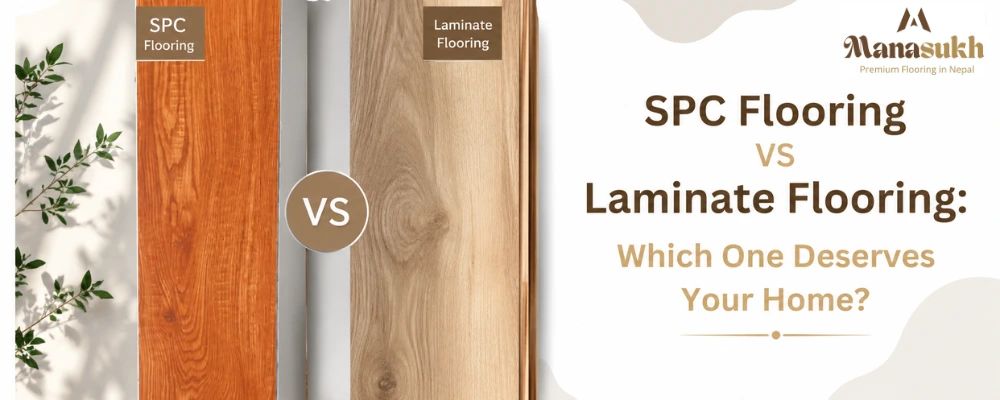
Introduction
If you have spent even ten minutes researching new floors, you already know the two names that keep popping up: SPC flooring and laminate flooring. Both look like real wood or stone from a few feet away. Both are cheaper than solid hardwood. Both promise easy installation and low maintenance. So why does one cost more than the other, and why do so many homeowners end up confused by the time they reach checkout?
The truth is that SPC and laminate are built from completely different materials, and that single fact changes almost everything about how they perform in your home. One is built around stone powder and plastic. The other is built around compressed wood fiber. That core difference decides how each floor handles water, weight, temperature, and years of foot traffic.
In this guide, we will walk through what each flooring type actually is, how they compare on the things that matter most to a real household, what they cost, where each one belongs in your home, and how to make a decision you will not regret two years from now.
What Is SPC Flooring?
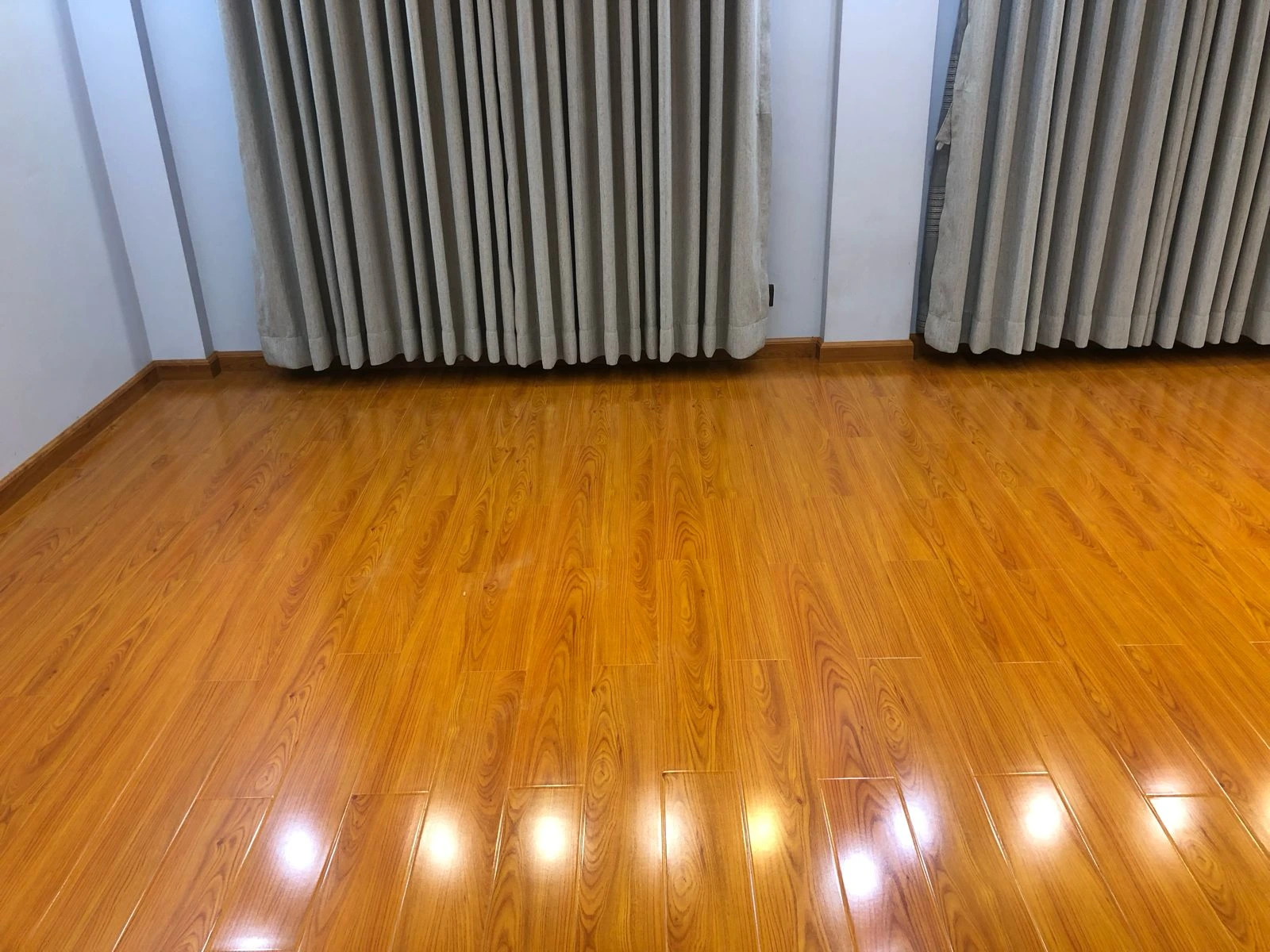
SPC stands for Stone Plastic Composite, sometimes written as Stone Polymer Composite. The core layer is made mostly of ground limestone, which is a form of calcium carbonate, mixed with PVC resin and a handful of stabilizers. This mixture is compressed under heat into a dense, rigid board. On top of that rigid core sits a printed design layer that mimics wood grain, stone texture, or tile patterns, followed by a clear wear layer that protects the surface from scratches and UV fading.
Because the core is built from stone rather than wood fiber, SPC does not soak up water and swell the way wood based products do. That is the entire reason SPC exists as a product category. Manufacturers wanted a floor that looked like luxury vinyl but felt firmer and more stable underfoot, especially in commercial spaces where floors take a beating every single day.
Most SPC planks click together using a tongue and groove locking system, so they float over the subfloor without glue or nails. This is part of why SPC has become such a popular DIY option over the last several years.
What Is Laminate Flooring?
Laminate flooring has been around much longer than SPC, and it built its reputation on affordability and realistic wood looks. Its core is made from high density fiberboard, often shortened to HDF, which is essentially compressed wood fibers glued and pressed into a dense board. On top of that core sits a photographic layer that recreates the look of oak, walnut, stone, or almost any surface a manufacturer wants to replicate. A clear melamine or aluminum oxide layer sits on top to resist scratches and everyday wear.
Because the core is made from wood fiber, traditional laminate absorbs moisture if water sits on it too long. The fibers swell, the joints can lift, and the surface can bubble or warp. Newer laminate products have tightened up their locking systems and added water resistant coatings, and some can now handle spills for several hours without damage. Still, at its heart, laminate remains a wood based product, and wood and standing water have never been close friends.
The Core Difference That Explains Everything
Every other comparison in this article traces back to one simple fact. SPC is built from stone and plastic. Laminate is built from compressed wood. Once you understand that, the rest of the comparison almost writes itself.
The flexible core of vinyl tiles provides greater comfort and a quieter walking experience. It also offers a slight cushioning effect that many homeowners prefer in everyday living spaces.
SPC’s rigid core delivers greater structural strength. It resists indentation from heavy furniture, withstands temperature fluctuations better, and provides a more stable surface in demanding environments.
Water Resistance: The Biggest Deciding Factor
For many homeowners, water resistance is the feature that has the biggest impact on their flooring decision. This is one area where SPC flooring has a clear advantage over vinyl tiles.
Both SPC (Stone Plastic Composite) and Vinyl Tileare 100% waterproof because they are made with vinyl-based materials. Unlike wood-based flooring, neither option will swell, warp, or deteriorate when exposed to everyday moisture.
The difference lies in their construction. SPC features a rigid stone-composite core made from limestone and PVC, making it exceptionally stable even in wet environments. Vinyl tiles has a flexible vinyl core that is also waterproof but is softer and less rigid under heavy loads.
For areas that experience frequent spills, humidity, or standing water, such as kitchens, bathrooms, laundry rooms, basements, and mudrooms, SPC offers greater structural stability and better resistance to heavy traffic and furniture while maintaining its waterproof performance.
Vinyl tiles performs equally well in moisture-prone spaces where comfort is a priority. Its softer feel underfoot makes it a popular choice for bathrooms, kitchens, and residential living areas, especially when paired with a quality underlayment.
For dry spaces such as bedrooms, living rooms, home offices, and dining areas, both flooring types are excellent options. In these rooms, the choice usually comes down to whether you prefer the added comfort of Vinyl Tiles or the enhanced rigidity and durability of SPC rather than concerns about water resistance.
Durability and How Each Floor Handles Daily Life
When comparing SPC flooring and vinyl tiles (LVT), both are highly durable and designed to withstand everyday wear. However, their different core constructions give each flooring type distinct advantages.
SPC flooring is built with a rigid stone-plastic composite core that offers exceptional resistance to dents, impacts, and heavy loads. It is better suited for areas with heavy furniture, rolling office chairs, high foot traffic, or active households with children and pets. The rigid core helps maintain the floor’s shape and minimizes indentation over time.
Vinyl tiles (LVT) feature a flexible vinyl core that provides excellent durability while offering a softer and more comfortable walking surface. Although LVT is resistant to everyday scratches, stains, and wear, it is generally more susceptible to dents from heavy furniture or concentrated point loads than SPC.
When it comes to scratch resistance, both flooring types largely depend on the quality of their protective wear layer rather than the core material. High-quality SPC and premium vinyl tiles with thicker wear layers can both perform exceptionally well against scratches from pets, furniture movement, and daily foot traffic.
In terms of long-term performance, SPC is typically the better choice for demanding environments such as commercial spaces, retail stores, offices, kitchens, and busy family homes where maximum durability is essential. Vinyl tiles excel in residential settings where comfort, aesthetics, and everyday durability are equally important.
With proper installation and maintenance, both SPC flooring and vinyl tiles can provide 20 years or more of reliable performance. Choosing a product with a high-quality wear layer and selecting the right flooring for your environment will have a greater impact on lifespan than the core construction alone.
Comfort Underfoot
When comparing SPC flooring and vinyl tiles (LVT), comfort underfoot is one of the biggest differences between the two.
Vinyl tiles (LVT) generally provide a softer, warmer, and more cushioned feel because they are built with a flexible vinyl core. This slight flexibility makes walking more comfortable and helps reduce foot fatigue, making LVT a popular choice for living rooms, bedrooms, and other spaces where comfort is a priority.
SPC flooring, on the other hand, has a rigid stone-plastic composite core that creates a firmer surface underfoot. While this rigidity contributes to its excellent durability and stability, it can feel harder when standing for long periods, such as while cooking in the kitchen or working in a home office.
The comfort difference can be reduced by installing a high-quality acoustic underlayment beneath SPC flooring. Many modern SPC products also include a pre-attached underlayment that improves cushioning, reduces footstep noise, and enhances the overall walking experience.
If maximum comfort is your priority, vinyl tiles (LVT) are typically the better choice. If you prefer superior durability and structural strength without sacrificing everyday comfort, SPC flooring paired with a quality underlayment offers an excellent balance.
Sound and Noise Levels
Both flooring types can echo more than carpet, which is simply the nature of any hard surface floor. Laminate with a built in underlay often produces a slightly warmer, less hollow sound when walked on. SPC paired with a foam or rubber underlayment can significantly cut down on footstep noise, and some SPC products advertise noise reduction of close to 18 decibels when installed with the right padding.
If noise transfer between floors is a concern, such as in an apartment or a multi story home, ask about acoustic underlayment options for both flooring types rather than assuming one wins by default. The underlayment often matters as much as the flooring itself.
Installation: What to Expect
SPC uses a click-lock system where laminates use the dendrite or any glue on the floor.
SPC tends to handle imperfect subfloors a bit better because of its rigid core, which means less prep work is sometimes needed before installation. Laminate installation is also straightforward, but because moisture is more of a concern, installers are usually more careful about vapor barriers, especially over concrete subfloors or in below-grade rooms like basements.
If you are installing over a subfloor with dips, bumps, or old adhesive residue, ask your supplier which product handles subfloor irregularities better, since this can affect how flat and stable your finished floor feels.
Cost Comparison: What You Will Actually Pay
Pricing varies by brand, thickness, and where you shop, but here are realistic ranges based on the current market.
Laminate flooring material typically runs from about 200 to 250 per square foot with installation labor.
SPC flooring material typically runs from about 250 to 500 per square foot, with installation labor.
On paper, laminate almost always wins on upfront price. But that is only half the financial story. SPC usually comes with longer warranties, often in the 25 to lifetime year range for residential use, and it tends to need fewer repairs or early replacements because it does not suffer from moisture related swelling. When you calculate cost per year of use rather than cost per square foot on day one, SPC frequently comes out ahead, especially in kitchens, bathrooms, and homes with kids or pets where accidents and spills are part of everyday life.
A simple way to think about it: laminate saves you money today, SPC often saves you money over the life of the floor.
Maintenance and Cleaning
Both floors are easy to maintain compared to hardwood or tile, but there are small differences worth knowing.
SPC only needs regular sweeping or vacuuming and an occasional damp mop. Because the surface and core are both water resistant, you do not need to worry much about spills sitting for a few extra minutes while you finish a phone call.
Laminate needs a bit more caution. You should avoid soaking the mop and instead use a slightly damp cloth or a laminate specific cleaner, and you want to wipe up spills quickly rather than letting them sit near seams. Over time, laminate that is repeatedly exposed to moisture near edges can develop lifting or slight puffing at the joints, so consistent care matters more here than it does with SPC.
Appearance and Design Options
Both flooring types have made huge strides in realism over the past several years. High resolution printing technology lets manufacturers replicate wood grain, knots, and even the texture of natural stone with impressive accuracy on both SPC and laminate.
Laminate has traditionally offered a slightly wider range of design finishes because it has been on the market longer and manufacturers have had more time to refine wood look patterns. SPC has caught up quickly, though, and now offers everything from classic oak looks to herringbone patterns, wide plank styles, and stone look tiles. If a specific pattern or color is important to you, it is worth checking both categories rather than assuming one has better options, since the gap has narrowed a lot recently.
Where Should You Use Each One?
Kitchens and bathrooms: SPC is the safer pick because of constant exposure to spills, splashes, and humidity.
Basements: SPC is generally recommended because below grade spaces deal with more moisture from the ground and concrete slabs.
Bedrooms and living rooms: Either option works well. Laminate may feel warmer underfoot and can save you money in these lower risk areas.
Rental properties: SPC is often the landlord favorite because it can go in every room, including wet areas, without special precautions, which simplifies planning across an entire unit.
Home offices with rolling chairs: Both can work, but look for a thicker wear layer or a harder finish on either product to avoid dimpling under chair casters.
High traffic commercial spaces: SPC tends to be the stronger performer because of its impact resistance and long term durability under heavy daily use.
Environmental Considerations
Neither flooring type uses solid wood, which means both help reduce demand on hardwood forests compared to traditional wood flooring. SPC’s mineral based core and laminate’s engineered wood core are both considered relatively stable materials that do not release significant amounts of harmful substances once installed, though as with any manufactured product, it is worth checking for low VOC certifications if indoor air quality is a concern for your household.
Resale Value and Buyer Perception
Both floors can boost a home’s appeal compared to old carpet or worn vinyl sheet flooring, since buyers generally respond well to a clean, modern, wood look floor. SPC’s waterproof reputation can be a selling point in kitchens and bathrooms, particularly for buyers who have dealt with water damage before. Laminate still carries strong recognition among buyers who simply want an attractive, budget friendly upgrade. Neither will match the resale bump of true hardwood, but both are respected upgrades from lower end flooring.
Thickness and Wear Layer Explained
When you start comparing products in a showroom, you will notice numbers like 4mm, 5mm and 7mm on SPC boxes, and similar numbers on laminate packaging measured in millimeters as well. This is the overall thickness of the plank, and it plays a role in how the floor feels underfoot and how well it hides small subfloor imperfections. Thicker planks generally feel sturdier and quieter when walked on, though they also cost more.
Common Mistakes People Make When Choosing
One mistake is picking the cheapest laminate available and installing it in a bathroom, only to deal with swollen edges within a year or two. Another is assuming SPC is always the better choice without checking the budget, when a quality laminate in a dry bedroom would have worked just as well for less money. A third mistake is skipping underlayment entirely, which affects comfort and noise regardless of which flooring type you pick. Take the time to match the product to the room, not just to the trend.
Final Verdict: Which One Should You Choose?
If your priority is full waterproofing, long term durability, and peace of mind in moisture prone rooms, SPC flooring is worth the extra upfront cost. It is built for kitchens, bathrooms, basements, and busy households that cannot afford water damage or frequent repairs.
If your priority is a lower upfront price, a slightly softer feel underfoot, and you are installing in dry rooms like bedrooms or living rooms, laminate flooring remains an excellent and proven choice. Many families install laminate throughout the dry areas of their home and reserve SPC for the kitchen, bathrooms, and basement, getting the best of both worlds without overspending.
There is no single correct answer for every home. The right choice depends on your budget, the specific rooms you are flooring, your household’s daily habits, and how long you plan to stay in the home. Match the floor to the room, and you will end up happy with either choice for many years to come.
Before you place an order, ask for a physical sample of both products and walk on them barefoot, splash a little water on each, and see how they feel in the actual lighting of the room where they will live. Numbers on a spec sheet only tell part of the story, and a few extra minutes of hands on testing can save you from a decision you regret after the floor is already installed.
Frequently Asked Questions About SPC Flooring vs Laminate Flooring
What does SPC stand for in flooring?
SPC stands for Stone Plastic Composite, sometimes called Stone Polymer Composite. It refers to the rigid core made from limestone powder and PVC resin.
Is SPC flooring completely waterproof?
Yes, the core of SPC flooring is built from stone and plastic, so it does not swell or break down when exposed to water, making it fully waterproof.
Is laminate flooring waterproof?
Traditional laminate is only water resistant, not waterproof, because its core is made from wood fiber. Newer water resistant laminate lines can handle spills for several hours but are still not designed for constant water exposure.
Which is more durable, SPC or laminate?
SPC generally holds up better against dents and impact because of its dense stone core, while laminate often resists surface scratches slightly better thanks to its hard top coating.
Which flooring lasts longer?
SPC typically lasts between 20 and 30 years, while laminate usually lasts between 10 and 20 years, depending on quality and moisture exposure.
Is SPC flooring more expensive than laminate?
Yes, on average SPC costs more per square foot than laminate, though the exact gap depends on the brand and quality tier you choose.
Can I install SPC flooring myself?
Yes, most SPC flooring uses a click lock floating floor system that does not require glue or nails, making it a common DIY project.
Which is better for kitchens?
SPC is generally the better choice for kitchens because of its full waterproof core, which handles spills and splashes without risk of swelling.
Which is better for bathrooms?
SPC is the stronger option for bathrooms due to constant humidity and the risk of water pooling near sinks, tubs, and showers.
Can laminate flooring be used in a basement?
It is not usually recommended because basements deal with ground moisture, and standard laminate cores can absorb that moisture over time. SPC is the safer choice for below grade spaces.
Does SPC flooring feel harder underfoot than laminate?
Yes, SPC tends to feel firmer because of its dense stone core, while laminate often feels slightly softer and warmer thanks to its wood fiber core and foam underlay.
Which flooring is better for homes with pets?
SPC is often preferred by pet owners because it resists dents from claws and accidents will not damage the waterproof core, though a quality laminate with a hard top coat can also perform well against scratches.
Does SPC flooring scratch easily?
No, SPC has a protective wear layer that resists scratches well, though extremely sharp objects can still mark the surface over time, just as with any hard flooring.
Is laminate flooring good for allergies?
Yes, both SPC and laminate have smooth, sealed surfaces that do not trap dust, pollen, or pet dander the way carpet does, which can help with allergy management.
How do I clean SPC flooring?
Regular sweeping or vacuuming followed by an occasional damp mop is usually enough to keep SPC flooring clean and looking new.
How do I clean laminate flooring?
Use a slightly damp cloth or a laminate specific cleaner, avoid soaking the mop, and wipe up spills quickly to protect the seams from moisture damage.
Does SPC flooring need an underlayment?
Many SPC products include a built in underlayment, but adding a separate foam or rubber layer can improve comfort and reduce noise even further.
Can SPC flooring be installed over tile?
Yes, SPC’s rigid core allows it to be installed over many existing hard surfaces, including tile, as long as the surface is clean, flat, and stable.
Can laminate flooring be installed over tile?
Yes, laminate can also be installed over tile in most cases, though a proper underlayment is important to smooth out grout lines and add comfort.
Which flooring is heavier, SPC or laminate?
SPC is generally heavier than laminate because its core contains dense limestone powder, while laminate’s wood fiber core is comparatively lighter.
Is SPC flooring good for high traffic commercial spaces?
Yes, SPC is widely used in retail stores, restaurants, and offices because its dense core resists heavy daily foot traffic and rolling equipment.
Does laminate flooring fade in sunlight?
Laminate can fade over time with prolonged direct sunlight exposure, though many modern products include UV resistant coatings to slow this process. SPC also benefits from UV protective layers in most quality products.
Which flooring is better for resale value?
Both floors can improve a home’s appeal compared to old or worn flooring, with SPC often standing out for its waterproof reputation and laminate remaining a well recognized, budget friendly upgrade.
Is SPC flooring toxic or does it release harmful chemicals?
Reputable SPC products are made from stable, low emission materials, though it is always smart to check for low VOC certification when comparing brands.
What is the average lifespan warranty for SPC flooring?
Many SPC products carry residential warranties ranging from 25 years to lifetime, depending on the wear layer thickness and brand.
What is the average lifespan warranty for laminate flooring?
Laminate warranties typically range from 10 to 25 years for residential use, with higher end lines offering longer coverage and better abrasion resistance.
Can I put SPC flooring under a rolling office chair?
Yes, SPC generally handles rolling chairs well thanks to its rigid core, especially products with a thicker wear layer designed to resist dimpling.
Does laminate flooring make more noise when walked on?
Laminate can sound slightly hollow without a proper underlayment, though many products now include built in padding that reduces footstep noise significantly.
Should I choose SPC or laminate for my whole house?
Many homeowners choose a mix, using SPC in kitchens, bathrooms, and basements where water exposure is a risk, and laminate in bedrooms and living rooms where budget and comfort underfoot matter more.